
Dental Crowns
If you have a damaged or weakened tooth, Dr. Vimal Patel may be able to restore it. With dental crowns in Moreno Valley, patients can access a reliable, natural-looking solution to tooth restoration. From cracks to severe decay, a dental crown may be able to preserve your tooth for years to come.
What Is a Dental Crown?
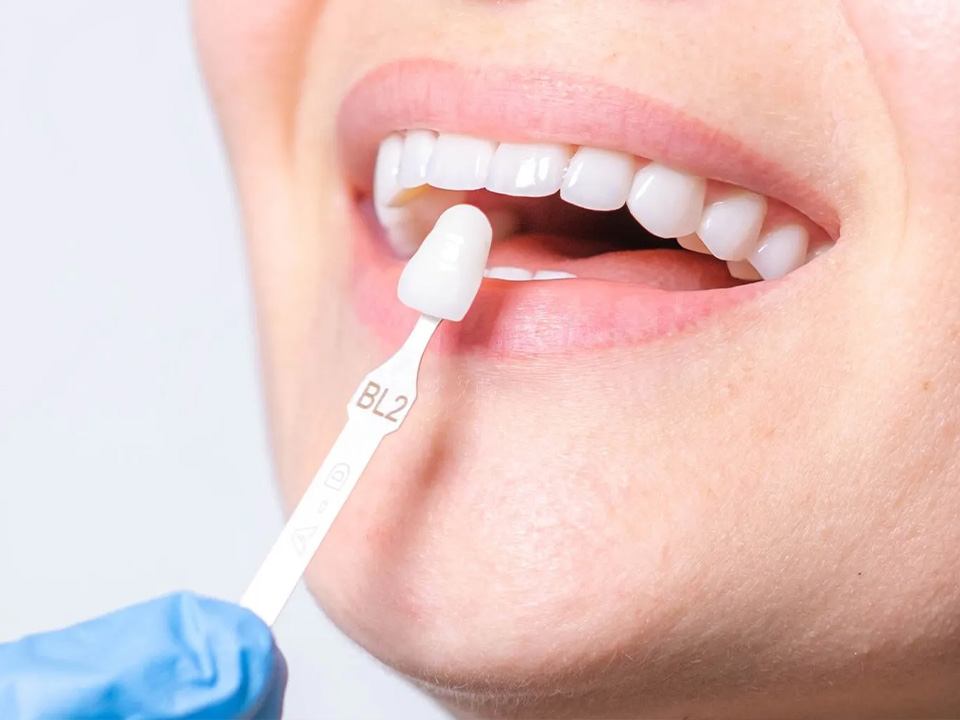
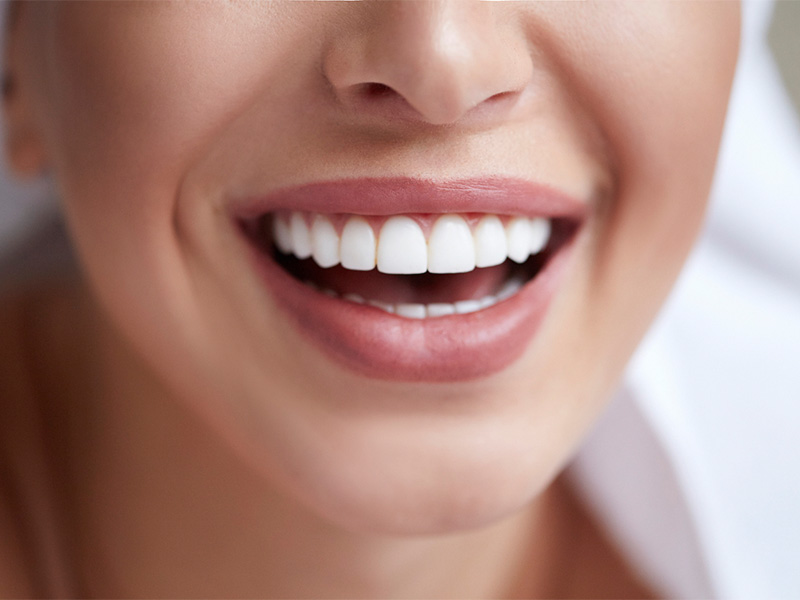
Think of a dental crown as a cap that rests on top of your natural tooth. Every detail of the crown is customized so that it blends seamlessly with your smile. Using impressions and color-matching, the final crown will look and feel like the rest of your teeth. Beyond appearance, it also protects the tooth from further damage.
Crowns can be made from a range of materials. Patients can choose from porcelain, ceramic, zirconia, or porcelain fused to metal based on needs and budget.
Dental Crown Uses
Patients can use a dental crown for:
- Cracked or weakened structure
- Breaks in the tooth
- Root canal treatment restoration
- Covering discoloration
- Repairing a decayed tooth
- Attachment to a dental implant
Benefits of Dental Crowns
- Strengthen damaged teeth
- Restore chewing function
- Protect teeth from additional fractures
- Improved tooth shape and appearance
- Restore a tooth post-root canal
- Natural look and feel
- Exceptional durability
Who Is a Good Candidate for a Dental Crown?
Dental crowns are often the last line of defense before a tooth would need extraction. Candidates will be patients who have enough healthy structure to support the crown but need more protection than standard restorations (like fillings) can provide.
Candidates for dental crowns may have:
- Large cavities
- Cracked or fractured teeth
- Severely worn teeth
- Large/failing fillings
- Significant cosmetic imperfections
The Dental Crown Process
Examination and Treatment Planning: First, Dr. Patel will assess your situation to determine the most appropriate treatment. This can include X-rays, a physical exam, and discussion of goals.
Tooth Preparation: We need to remove the damaged or decayed material. Dr. Patel takes a conservative approach, removing only enough material to clear away problematic parts and shape the tooth.
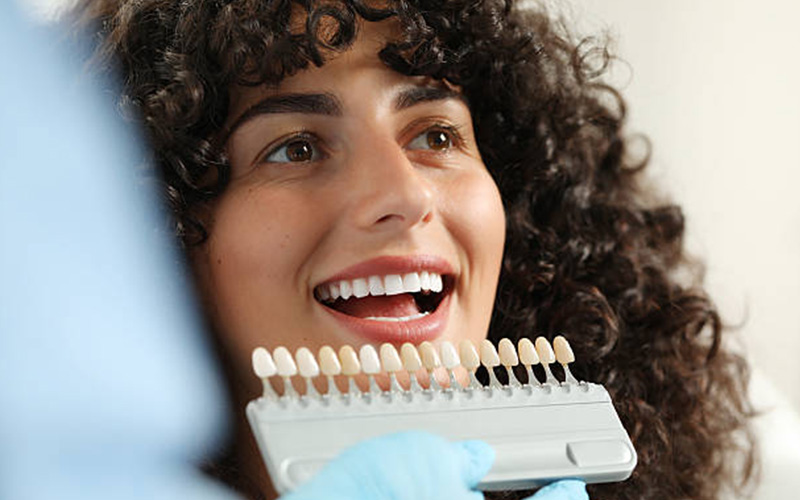
Impressions: These detailed measurements provide key information about your tooth shape and contours. These are then used to create your personalized crown. While you wait for the final crown, you may receive a temporary one. This will help protect the tooth until the final restoration is ready.
Permanent Crown Placement: The final crown is finished, and Dr. Patel checks that it looks and feels perfect. With that confirmed, he will permanently affix it to the target tooth.
Why Choose Dr. Vimal Patel for Dental Crowns in Moreno Valley?
- Personalized restorations
- Conservative approach to preserve tooth material
- Natural-looking results
- Premium materials designed to last
- Clear explanations of alternative options when needed
- Convenient, central location in Moreno Valley
Schedule an Dental Crown Appointment in Moreno Valley
The sooner you repair a weakened tooth, the better your odds of avoiding an extraction. Patients can schedule a consultation with Dr. Vimal Patel, a Moreno Valley dentist, for dental crowns to help them achieve a restored, healthy smile.
FAQs
How long do dental crowns last?
Materials, placement, and maintenance all affect a dental crown’s lifespan. For most patients, 10–15 years is the average. However, patients with excellent maintenance and healthy habits may see their crowns last even longer. Conversely, poor dental hygiene could wear down a crown within years.
Does getting a dental crown hurt?
The entire process is typically pain-free. When needed, we use local anesthetic, but some elements are well-tolerated even without numbing.
- Tooth Preparation: We use local anesthetic to keep the area numb. Some soreness afterward is normal but temporary.
- Impressions: A gentle and pain-free process.
- Crown Placement: Pain-free without any anesthetic needed.
Do I need a crown after a root canal?
The honest answer is that a crown is almost always the better option after a root canal. We know that the lower cost of a filling is tempting. However, getting a crown means:
- Better protection for the tooth
- Lower chance of root canal failing
- Less risk of needing retreatment
- Longer-lasting results
Can you get a cavity under a crown?
Decay can still develop along the margins of the crown. This vulnerability is part of what makes good oral hygiene so important. The good news is that all the usual good habits will help keep the risk of decay at bay, such as:
- Twice-daily brushing
- Daily flossing
- Routine dental visits for exams and cleanings
How much does a dental crown cost in Moreno Valley?
The cost of dental crowns will depend mostly on the material and procedure complexity. Treatment usually falls between $1,000 and $2,000. Additionally, preparatory treatment can influence the price. For example, if you first need a root canal, that will be a separate cost. When planning treatment, Dr. Patel is clear about total costs to allow patients to decide on the best option for their budget.