
Dental Bonding
Quick and conservative, dental bonding lets patients access same-day restorations for a range of smile concerns. Using only tooth-colored resin, dental bonding can address chips, stains, and other cosmetic issues. Dr. Vimal Patel provides dental bonding in Moreno Valley for rapid dental restoration.
What Is Dental Bonding?
Dental bonding, or composite bonding, involves applying tooth-colored composite resin directly to a tooth's surface. The resin is then shaped, hardened, and polished to blend with your natural tooth material. Unlike porcelain veneers, bonding generally requires little or no removal of healthy enamel.
Uses for Dental Bonding
Our patients in Moreno Valley can use bonding to:
- Repair minor chips or cracks
- Close small gaps between teeth
- Adjust tooth shape or size
- Cover discoloration
- Improve slightly uneven teeth
Benefits of Dental Bonding
- Single-visit treatment
- Preserves natural tooth material
- Color-matching for natural results
- Budget-friendly restoration
- Quick and easy to replace/repair
- Little to no numbing needed for treatment
The Dental Bonding Process
Dental bonding is completed in about 30 to 60 minutes per tooth, with steps including:
Consultation: Dr. Patel evaluates your teeth and discusses your treatment goals. If there are preliminary treatments needed, he will identify them and plan accordingly.
Tooth Preparation: Treatment can often start the same day. It begins with lightly roughing the tooth surface for better surface grip. Extensive drilling is generally unnecessary.
Composite Application: A bonding agent is applied, and tooth-colored resin is placed directly onto the tooth.
Shaping: Dr. Patel carefully sculpts the material to mimic the tooth’s natural contours.
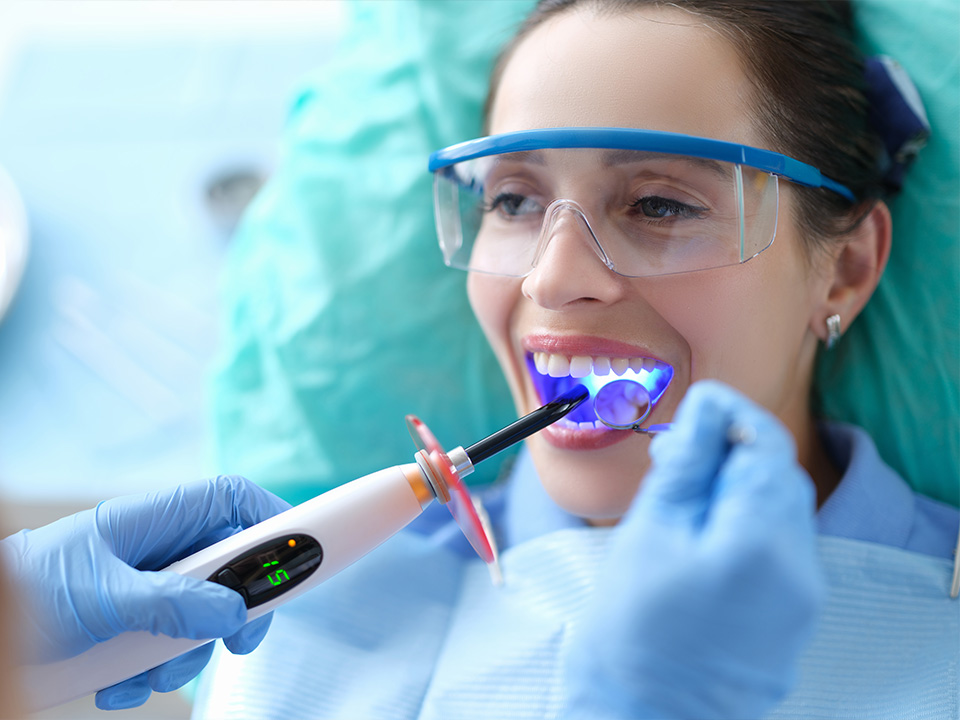
Curing: A specialized light hardens the composite material.
Polishing: The final touches involve minor polishing to ensure a seamless look and natural-feeling bite.
Who Is a Good Candidate for Dental Bonding?
Bonding is a straightforward procedure open to a wide candidate pool. When assessing if bonding is the right treatment for you, we consider:
- Current oral health
- Severity of cosmetic concerns
- Your preferred treatment timeframe
- Budget
- And more
Bonding is typically best for minor fixes. Alternatives include veneers or whitening (for stains). If a tooth has substantial decay or damage, dental crowns may need to be considered.
Why Choose Dr. Vimal Patel for Dental Bonding in Moreno Valley?
- Personalized treatment planning
- Careful color-matching
- Pain-free treatment
- Clear discussion of options and alternatives
- Conveniently located office for Moreno Valley residents
Schedule a Dental Bonding Consultation in Moreno Valley
Patients can call or use our online form to schedule a consultation for dental bonding in Moreno Valley. Dr. Patel, a dentist in Moreno Valley, works closely with each patient to ensure optimal treatment and lasting benefits for your smile.
Dental Bonding FAQs
How long does dental bonding last?
Bonding usually has a lifespan of 3–5 years. However, patients may see their restoration last longer if they focus on three areas:
- Excellent at-home oral hygiene
- Healthy lifestyle habits
- Routine dental visits
Other factors that can affect dental bonding include bite irregularities, teeth grinding, and biting hard objects.
Does dental bonding hurt?
Dental bonding is pain-free, often without local numbing. Very little tooth material is removed in most cases, allowing for a comfortable, quick tooth restoration. Minor (and temporary) tooth sensitivity can occur after treatment. For most patients, it lasts less than 48 hours. In some cases it can take a week or two to fade.
Can dental bonding fix gaps between teeth?
Yes, but only minor ones. For more significant gaps between teeth, patients may need orthodontics. In some cases, a gap can be addressed with a veneer if it is too wide for bonding but narrow enough to not need orthodontic care.
Does bonding stain?
Composite resin can experience staining over time. As with tooth stains, the culprits are largely coffee, tea, tobacco, and red wine. Frequent consumption of any of these can leave pigment particles on the tooth. Since bonding cannot be whitened, the best option is to replace stained composite.
Can dental bonding fix a chipped tooth?
Dental bonding can repair small chips. In fact, this is one of its most common applications. For larger chips or damage, Dr. Patel may recommend veneers or crowns.
How much does dental bonding cost in Moreno Valley?
Dental bonding is a more budget-friendly option than some other dental restorations. While other options can cost thousands, bonding is a quick fix with costs starting around $300 per tooth. More complex cases will cost proportionately more.