
Dental Bridges
With a process taking only a few weeks, dental bridges allow patients to replace one or more missing teeth with a natural-looking restoration. Dr. Vimal Patel offers dental bridges in Moreno Valley for patients who want to restore their smile while maintaining full dental function.

What Is a Dental Bridge?
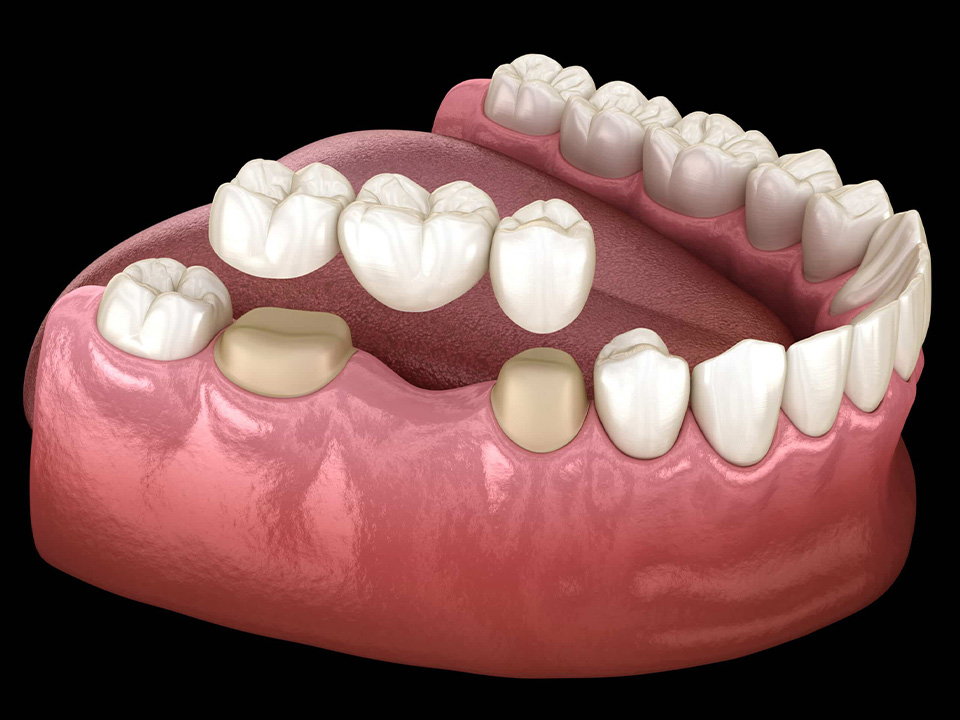
A dental bridge is a fixed dental restoration that replaces one or more missing teeth. It works by using neighboring teeth as anchors for the replacement. Once secured in place, a dental bridge can last for years with easy maintenance and cleaning.
The dental bridge itself generally relies on three elements:
- Pontic: The artificial tooth that replaces the missing tooth.
- Abutment Teeth: Your natural teeth on either side of the missing teeth used to support the bridge.
- Dental Crowns: Caps placed over the abutment teeth to serve as anchor points.
Benefits of Dental Bridges
- Replace one or several missing teeth
- Chew comfortably again
- Restore your smile’s appearance
- Protect healthy bite alignment
- Complete process in < 1 month
- Naturally blend with surrounding teeth
- Long-lasting with proper care
Types of Dental Bridges
Dr. Patel offers several bridge options based on the missing tooth/teeth and the condition of surrounding teeth.
Traditional Dental Bridges: Uses crowns placed on teeth on both sides of the missing tooth with a replacement suspended between.
Cantilever Bridges: Supported by a tooth on only one side of the gap.
Maryland Bridges: Typically replaces a front tooth and is supported by wings bonded to the backs of neighboring teeth.
Implant-Supported Bridges: Uses dental implants as anchor points instead of neighboring teeth.
Who Is a Good Candidate for a Dental Bridge?
Dental bridges may be appropriate for patients who:
- Have 1+ missing teeth
- Have healthy teeth surrounding the gap
- Have adequate gum and bone health
- Maintain good oral hygiene
- Have a stable bite
- Currently have no untreated tooth decay or gum disease
The Dental Bridge Process
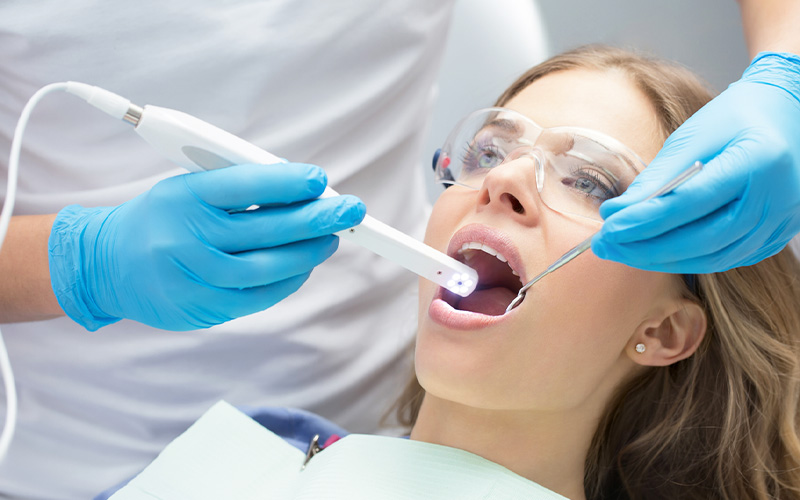
Consultation and Examination: Dr. Patel evaluates the missing tooth area, supporting teeth, gums, and bite to determine whether a bridge is appropriate.
Preparing the Supporting Teeth: For most bridges, Dr. Patel will reshape the neighboring teeth to support dental crowns.
Impressions: Detailed measurements are taken to guide fabrication of the bridge. You may receive a temporary bridge to protect the prepared teeth in the meantime.
Bridge Placement: Once your bridge is ready, you can come in for placement. Dr. Patel carefully checks the fit, feel, and bite of the bridge before cementing it into place.
Why Choose Dr. Vimal Patel for Dental Bridges in Moreno Valley?
- Individualized treatment planning
- Care that balances function and appearance
- High-quality restorative materials
- Advanced dental technology and techniques
- Natural-looking restorative materials
- Attentive care and follow-up
- Conveniently located office for Moreno Valley patients
Schedule a Dental Bridge Consultation in Moreno Valley
Restoring missing teeth is an investment in both a confident smile and long-term oral health. Schedule a consultation with Dr. Vimal Patel, a trusted dentist in Moreno Valley, for dental bridges to get started on rebuilding your smile.
FAQs
How long do dental bridges last?
Most commonly, we see dental bridges last 10–15 years. All told, the longevity of a set of bridges will depend on:
- Supporting teeth health
- Gum health
- Biting forces
- Oral hygiene and dental care
With the right combination of factors, patients can get the most out of the bridges. Without care, though, we have seen dental bridges wear down earlier.
Is getting a dental bridge painful?
Dr. Patel uses local anesthetic to numb the area when preparing the supporting teeth. Afterward, some sensitivity or gum tenderness is normal, but will improve as the area adjusts. For placement, though, patients can expect a pain-free process even without anesthetic.
How many teeth can a dental bridge replace?
Traditional bridges can replace 1–3 teeth. Implant-supported bridges may support up to 4 teeth. If you have more than 4 missing teeth in a row, we may recommend partial or full dentures.
How do I clean under a dental bridge?
A key difference of bridges compared to implants is how to care for them. Since the teeth are connected, normal floss won’t work. Instead, patients can use floss threaders or water flossers to clean under the bridge. Daily cleaning is essential to keeping the surrounding gums healthy.
Can a dental bridge be replaced?
Once your bridge wears down, you can easily replace it. You may also need a replacement if decay has affected the surrounding teeth or gums.
How much does a dental bridge cost in Moreno Valley?
A traditional dental bridge in the Moreno Valley area generally costs approximately 1,500–3,500 for a standard three-unit bridge. Costs can vary with complex or premium restorations, which are all quoted individually. Dr. Patel considers the entire process, including any preparatory work required.